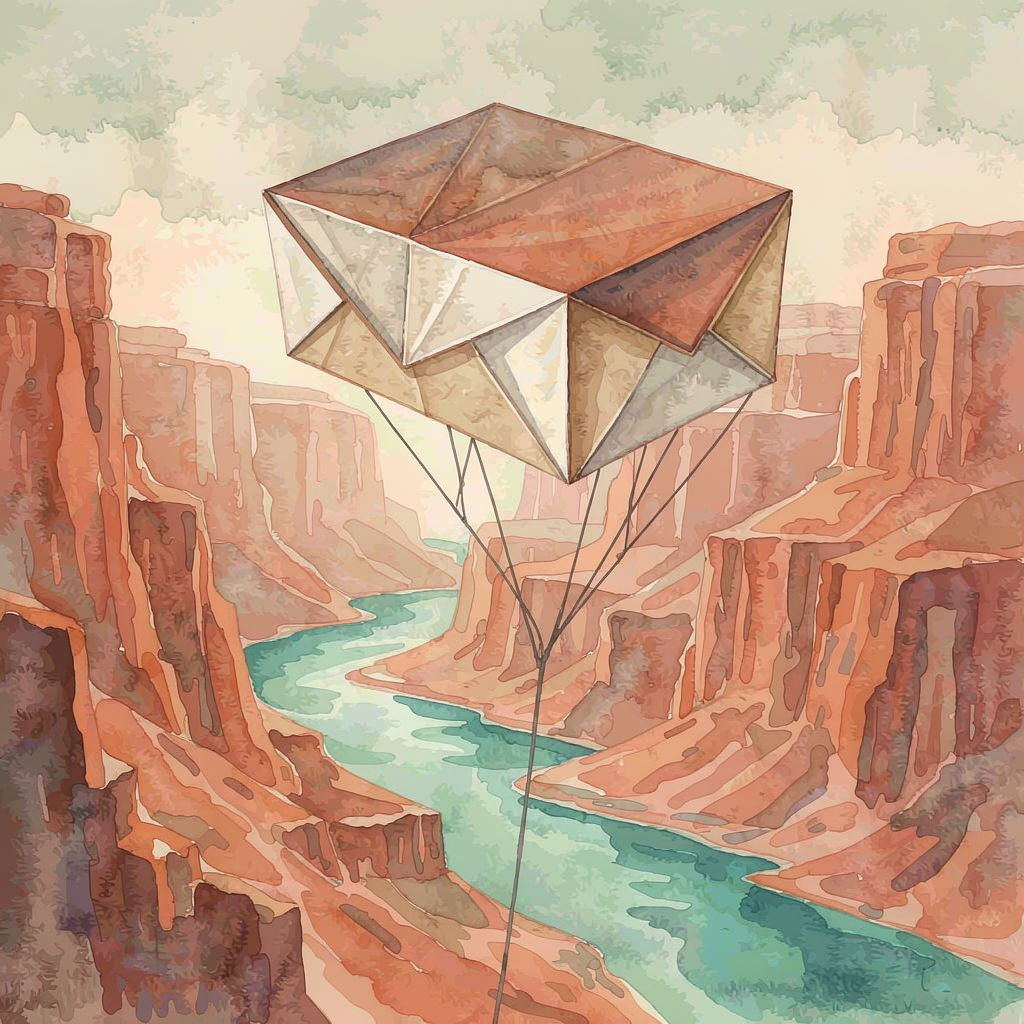
Paper airship
A folded paper airship floating over a terracotta canyon, turquoise river below, watercolor travel-poster composition, no text. Acceptance 558.
 OruxAI

Qwen
qwen-image-edit-2509Generate content through the unified API.
≈ $0.0019 · Runs per 1,000 Credits: ≈ 2,575
Estimate the cost first. Generation starts only after confirmation.
Load the original settings, then adjust them before generating.
A folded paper airship floating over a terracotta canyon, turquoise river below, watercolor travel-poster composition, no text. Acceptance 558.
Generate content through the unified API.
Fields accepted in the request body for this model.
prompttextresolutionenumaspect_ratioenumBill actual quantity · Rounding is applied once to the total cost
Official pricing source · Verified 2026-11-01
Prices are billed per unit consumed with no monthly minimum. See billing guide for Credits estimates and actual usage charges.
POST https://orux.top/api/v1/tasksAbout qwen-image-edit-2509 pricing, capabilities and API access on Orux AI.
qwen-image-edit-2509: Generate content through the unified API.
See the pricing section on this page for qwen-image-edit-2509 pricing and applicable conditions. Charges depend on the selected parameters and recorded usage.
qwen-image-edit-2509 accepts Text and returns Image.
Create an Orux AI API key and send an authenticated POST request to https://orux.top/api/v1/tasks, using qwen-image-edit-2509 as the model identifier. This model uses asynchronous tasks: submit input, then poll the returned task ID for the result. Try the playground on this page and use the API example for the exact request format.